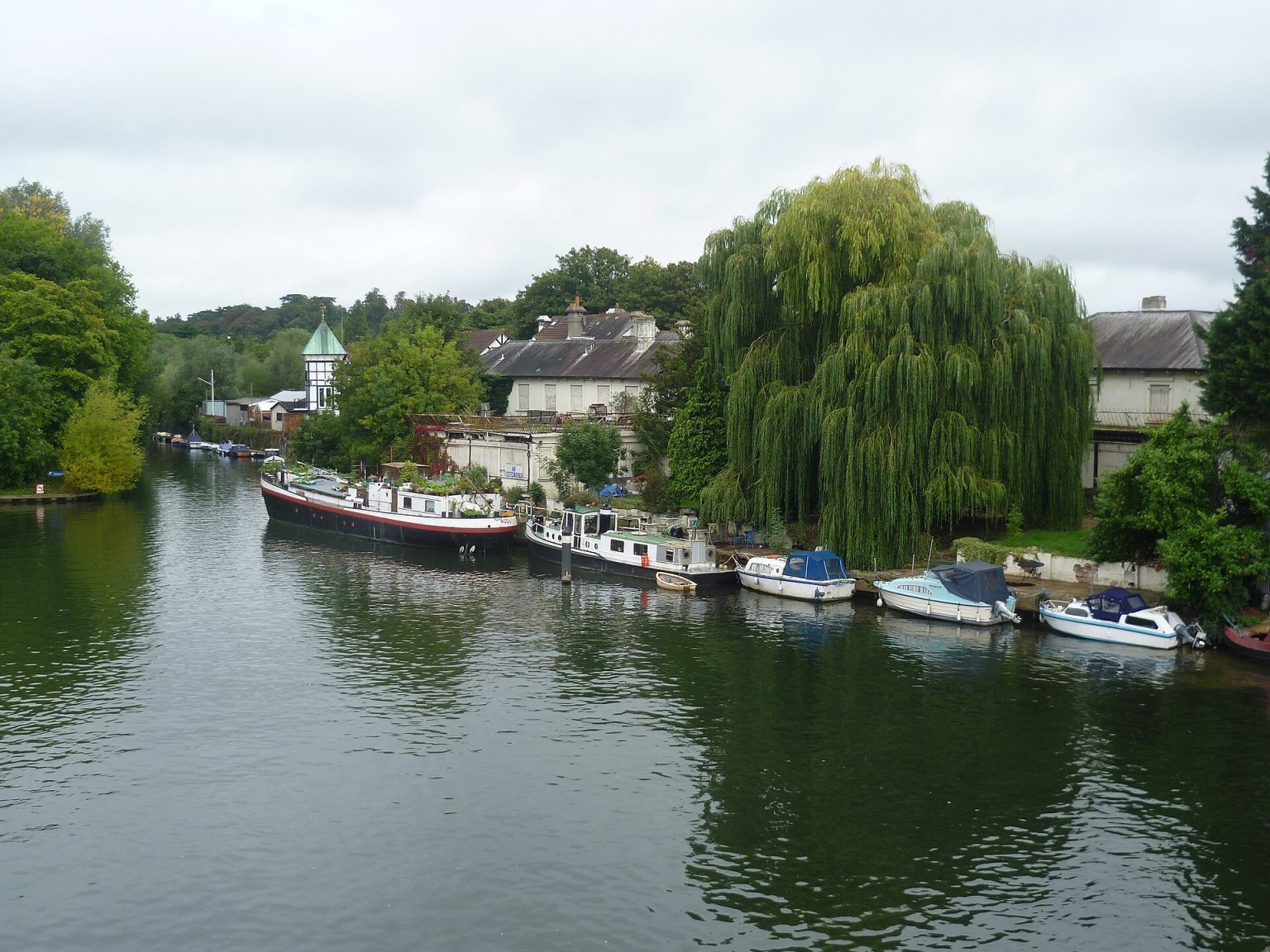
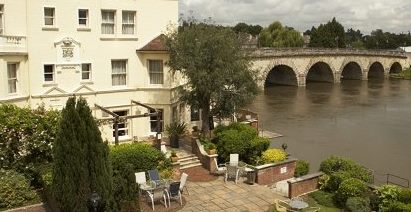
Maidenhead is the town at the heart of this directory, and most of our listings are here. It sits on the south-western bank of the Thames, about 27 miles west of central London and 13 miles from Reading, joined to Taplow on the Buckinghamshire bank by an 18th-century stone road bridge and Brunel’s railway bridge. At the 2021 Census about 67,400 people lived in the built-up area, which makes it a proper town rather than a big village.
What is Maidenhead like day to day? Think of a commuter town with a river at the end of the street. Weekday mornings belong to the station and the M4; evenings and weekends drift towards the Thames, the parks and the pubs. The centre is in the middle of a long rebuild, with offices, flats and new public spaces replacing many older buildings, and the Nicholsons Centre is closed while its site is redeveloped. Our town centre guide explains what is open and where.
Where did the town come from? The Maidenhead Heritage Centre dates the first wooden bridge to about 1250 and says the town grew up around it. Elizabeth I granted a royal charter in 1582. Upriver, the first pound lock on this stretch opened in 1772 near Taplow Mill, and the present stone bridge followed in 1777, when the town lived on the coaching trade; Boulter’s Lock has stood on its present site since 1829. Brunel’s railway bridge, with its famous Sounding Arch, opened in 1839 and ended the coaching era. Read more in our history of Maidenhead and Maidenhead bridges pages.
The bridge tolls were finally lifted in 1903, after more than six centuries, and in 1974 the Royal Borough of Windsor and Maidenhead replaced the old Borough of Maidenhead. The borough council still runs almost everything locally, from bins and parking to libraries and school admissions, from the Town Hall on St Ives Road. Much of the town has no parish council, though the villages around it do.
What should you see first? Start by the water. A walk north from the bridge brings you to Boulter’s Lock and Ray Mill Island, the best free spot in town for watching boats. Our riverside guide covers the stretch in between. Back in the centre, the Maidenhead Heritage Centre on Park Street tells the Story of Maidenhead and has a “Grandma Flew Spitfires” display about the women of the Air Transport Auxiliary, plus a Spitfire simulator you can book.
For an evening out, Norden Farm Centre for the Arts on Altwood Road is the town’s arts centre, run by a registered charity. Football fans head for York Road, home of Maidenhead United, and our events page lists what is coming up across the town.
Where can you get some green space? Braywick Park, on the A308 Braywick Road, is 40 hectares of sports grounds, an outdoor gym and a 15-hectare local nature reserve, with the Braywick Nature Centre running events for families and schools. Braywick Leisure Centre, which opened in September 2020, manages the park’s artificial pitches.
Closer to the shops, Kidwells Park covers 3 hectares between the town centre and the houses to the north. J.D.M. Pearce, five times Mayor of Maidenhead, gave it to the town on 23 July 1890. Today it has a play area for younger children, a skate park, bookable tennis courts and a First World War memorial garden. On the south-west side of town, Ockwells Park is covered on our Cox Green page, and our parks and walks guide has more routes.
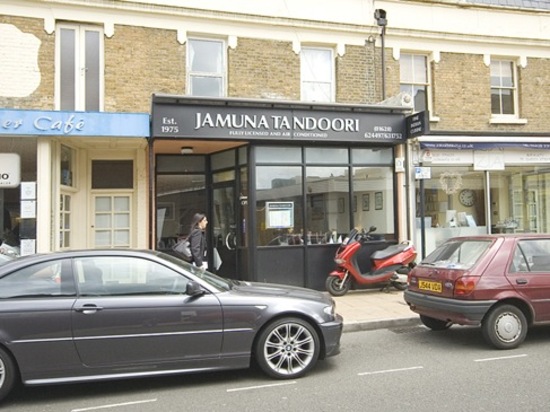
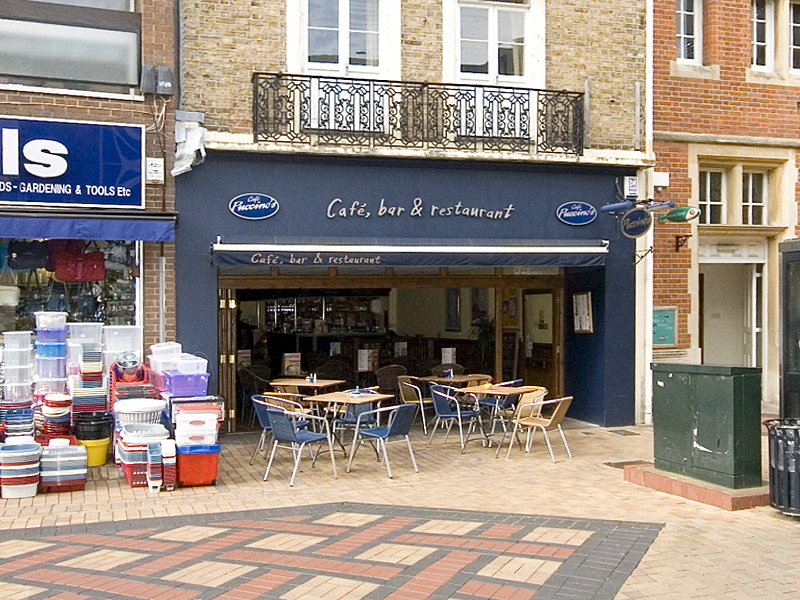
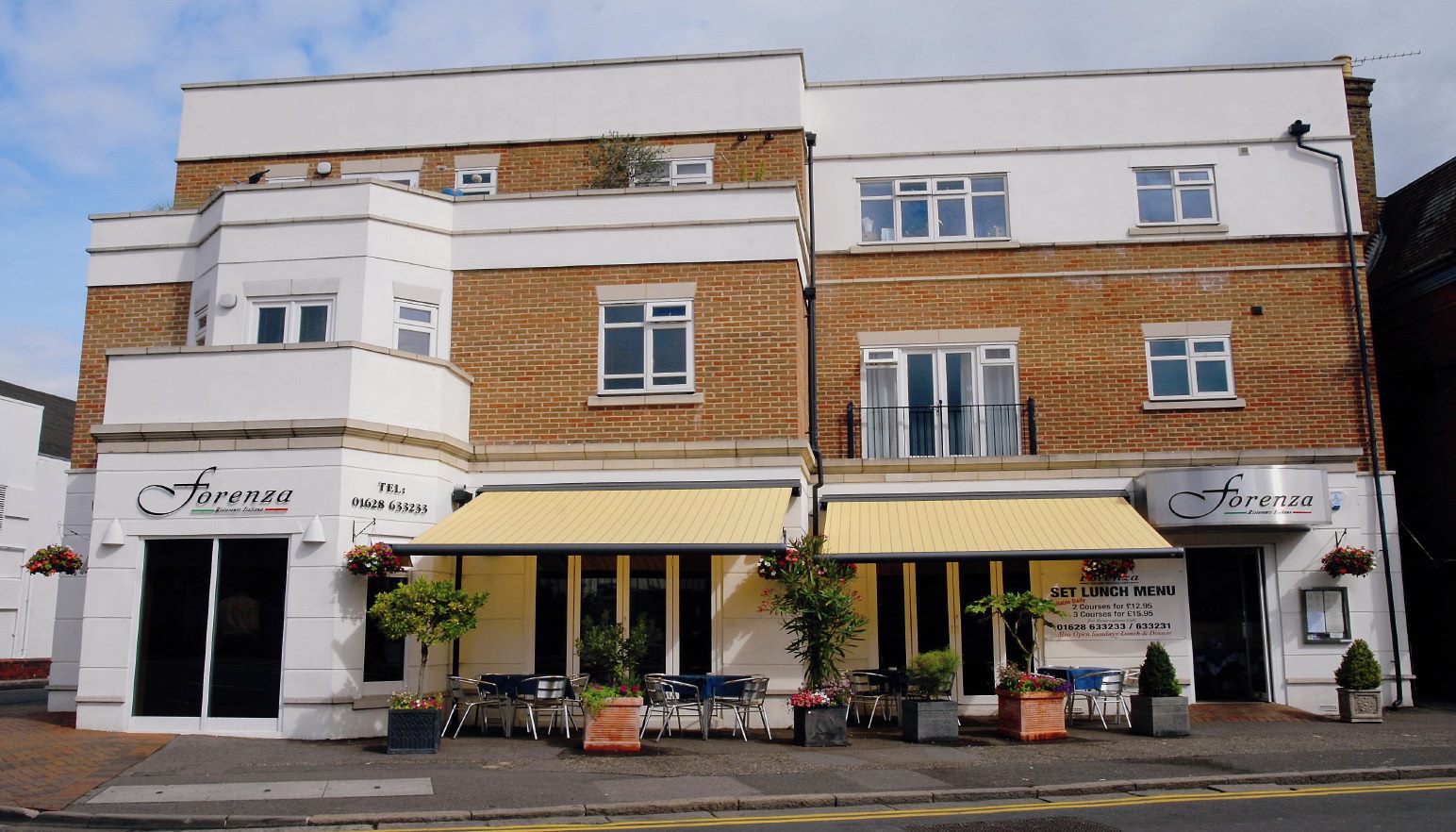
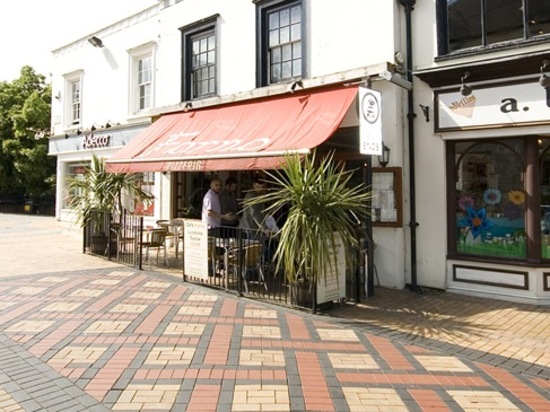
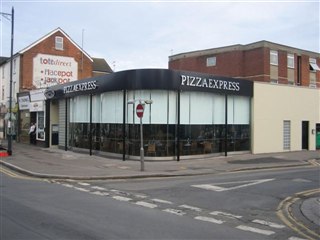
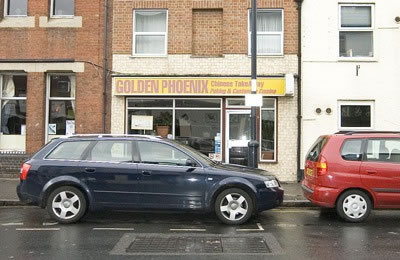
Where should you eat? Many of the town’s restaurants are on or near the High Street, Queen Street and Bridge Street. On the High Street you will find Italian cooking at Flavio’s, Greek food at Greek House and Chinese at Lee Dynasty. Queen Street adds Delhi Junction and BM Grill And Dessert, and Pizza Express is on Bridge Street.
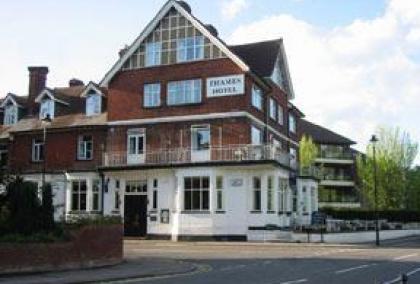
A little further out, Emperor of India is on Windsor Road at Bray Wick, and Thai Orchid and the Uno Thames Hotel, with its Italian restaurant, face the river on Ray Mead Road. For the full picture, browse our restaurants guide or the takeaways directory.
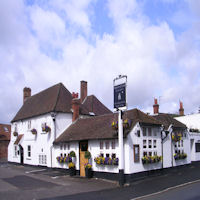
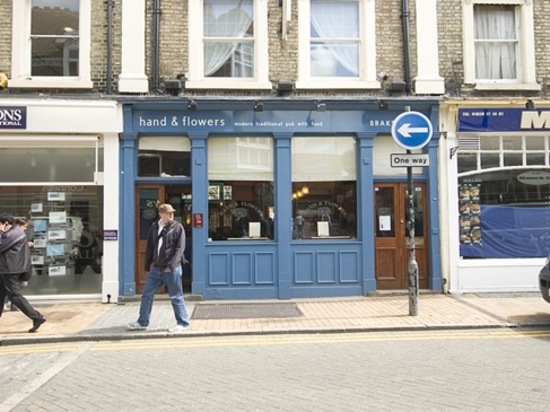
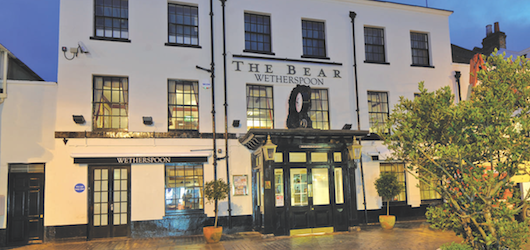
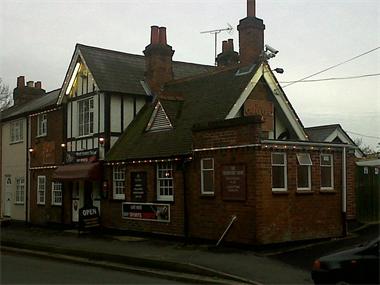
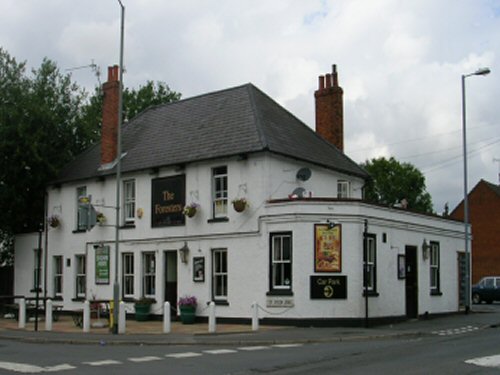
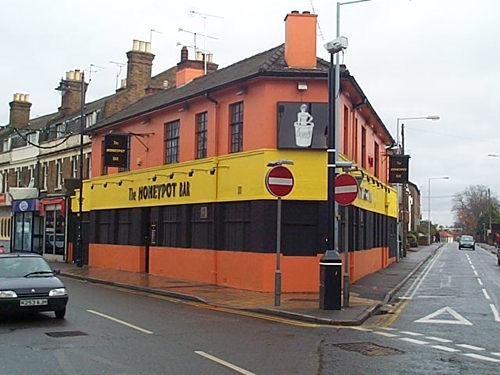
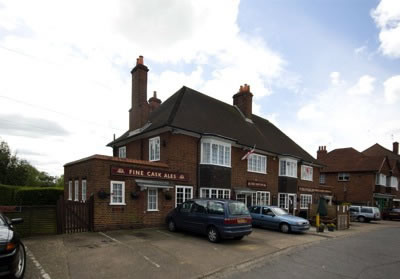
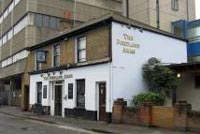
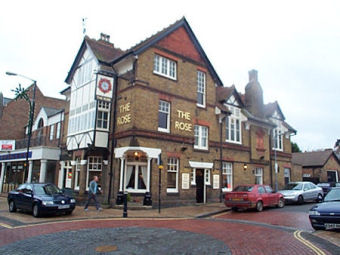
Which pubs are worth knowing? In the centre, The Bear and The Maiden’s Head are on the High Street, with the craft beer bar Off the Tap at the top end. Queen Street has the Hand & Flowers, Corner House and The Honeypot, while The Rose and O’Neill’s are on King Street and The Portland Arms is on West Street.
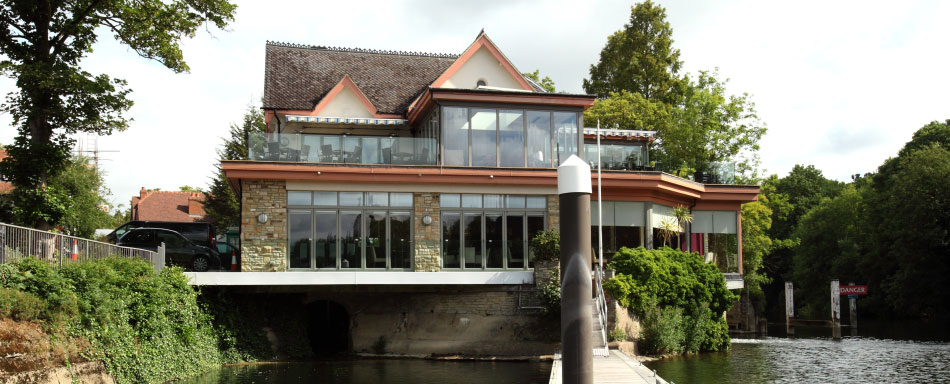
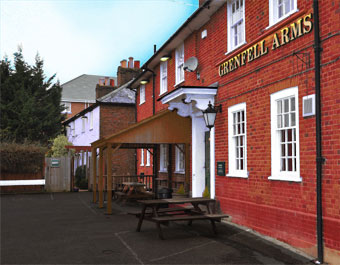
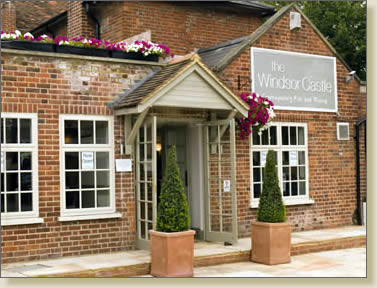
By the river, The Boathouse at Boulters Lock sits on the lock island itself. In the neighbourhoods, try The Pond House and The Windsor Castle on the Bath Road, The Craufurd Arms on Gringer Hill, The Lord Grenfell on Oldfield Road or The North Star on Westborough Road. Our pubs and bars guide and Sunday lunch guide go further.
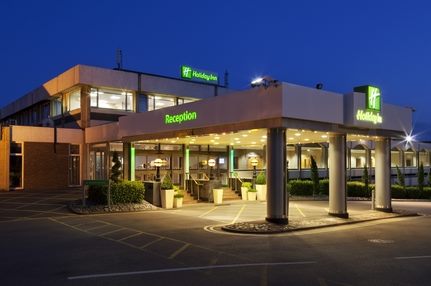
Where can you stay? Fredrick’s Hotel on Shoppenhangers Road has a restaurant and spa. The Thames Riviera Hotel is on Bridge Road, and the Holiday Inn Maidenhead/Windsor is on Manor Lane. For something smaller, there is the Kingswood Hotel on Boyn Hill Avenue, or self-catering at Sheephouse Manor Cottages. Our hotels guide covers the villages too.
How do you get here and around? Maidenhead station is on the Great Western main line. Elizabeth line trains run straight through central London without a change at Paddington, and GWR’s semi-fast trains reach Paddington in roughly 20 to 30 minutes. The Marlow branch starts here, calling at Furze Platt, Cookham and Bourne End. See our train information page.
Most local buses start from Frascati Way in the town centre and fan out to the villages, Windsor, Reading and Heathrow; our buses guide lists the routes. Drivers have junction 8/9 of the M4 on the doorstep and the A4 across the bridge, and our parking page covers the car parks.
Moving here? Our living in Maidenhead guide walks you through schools, GP registration, council tax and bins. The council’s Know Your Neighbourhood service shows your ward and councillors, the nearest schools, car parks, libraries and recycling points for any address. The villages each have their own area page, from Cookham to Holyport, and our suburban regions page gives an overview of the districts.
The listings below show the businesses we hold for Maidenhead town itself, each with the details we could confirm and the date it was checked.